July 2, 2026 | Casino Tech
Live-Dealer Streaming Is a CDN Problem
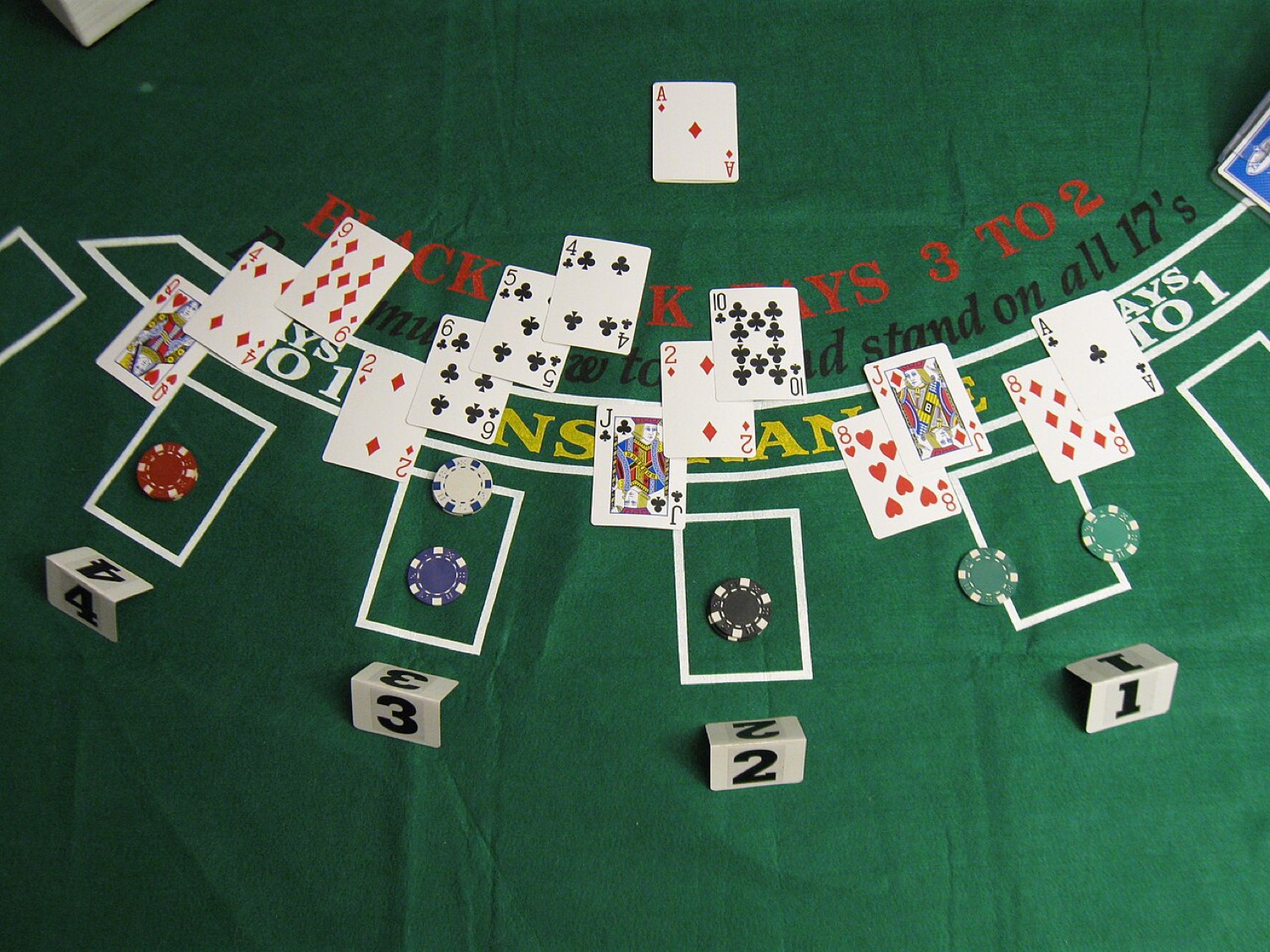
Live-dealer games are a curious hybrid: a real croupier at a real table, filmed in a studio and streamed to players on their phones. To a viewer it looks like ordinary video. To a network engineer it presents a much harder problem than a football match, because the audience is not simply watching. They are taking part, and the game cannot wait.
Why ordinary streaming falls short
Most online video uses segmented delivery such as HLS or DASH. The player downloads short chunks and keeps a buffer, and this approach scales cheaply and copes with poor connections. The downside is delay, which often amounts to tens of seconds. Low-latency versions of these protocols reduce that to a few seconds, but a game that gives players a short betting window really wants something closer to one second.
That is why many studios use WebRTC, a technology originally built for real-time video calls. It can deliver sub-second latency, but it was never designed for huge audiences. Each viewer holds a live connection, and the servers doing the forwarding must be close to the viewers. Scaling it means building a dedicated global relay network, or renting one, and that costs a good deal more than serving chunks from a cache.
Two streams, not one
The video is only half of the system. Alongside it runs a data channel that carries the game state: bets, timers, card values and results. Cameras and sensors in the studio capture the events on the table, sometimes with optical recognition reading the cards from the video itself. The official result comes through this data channel, so the game stays accurate even if the picture stutters. Players see those two streams merged into a single interface, and keeping them in sync is a large part of the craft.
Inside the studio
- Several cameras per table, with a cut between wide shots and close-ups.
- Encoders producing a ladder of quality levels for different connections.
- Redundant internet links out of the building, usually from more than one carrier.
- Monitoring staff who watch the games much as a broadcast control room watches a live show.
Many large studios operate in places such as Latvia, Malta and the Philippines, where they can draw on skilled, multilingual staff. Some regulated markets also require studios or at least the game servers to be located inside their borders, which brings a further geographic constraint.
What happens when it fails
A stutter in a film is a minor annoyance. In a live game, it raises a fairness question: did the player's bet arrive before the window closed? Well-run games have clear rules for a dropped connection, with the bet standing or being voided according to the published terms, and servers keep a precise log so that disputes can be settled. Engineers therefore design for the worst case, on the assumption that a mobile connection may fail at any second.
A lesson for everyone else
Interactive video is spreading. Auctions, live shopping, sports watch-alongs and remote production all want a stream that can keep up with a conversation. The casino industry was an early, demanding customer for this technology, for the same reason it has been an early customer for so many others: its users notice every delay, and each one costs money.
More from the Journal


