Stadium Tour: Inside a Connected Stadium
Published October 14, 2026
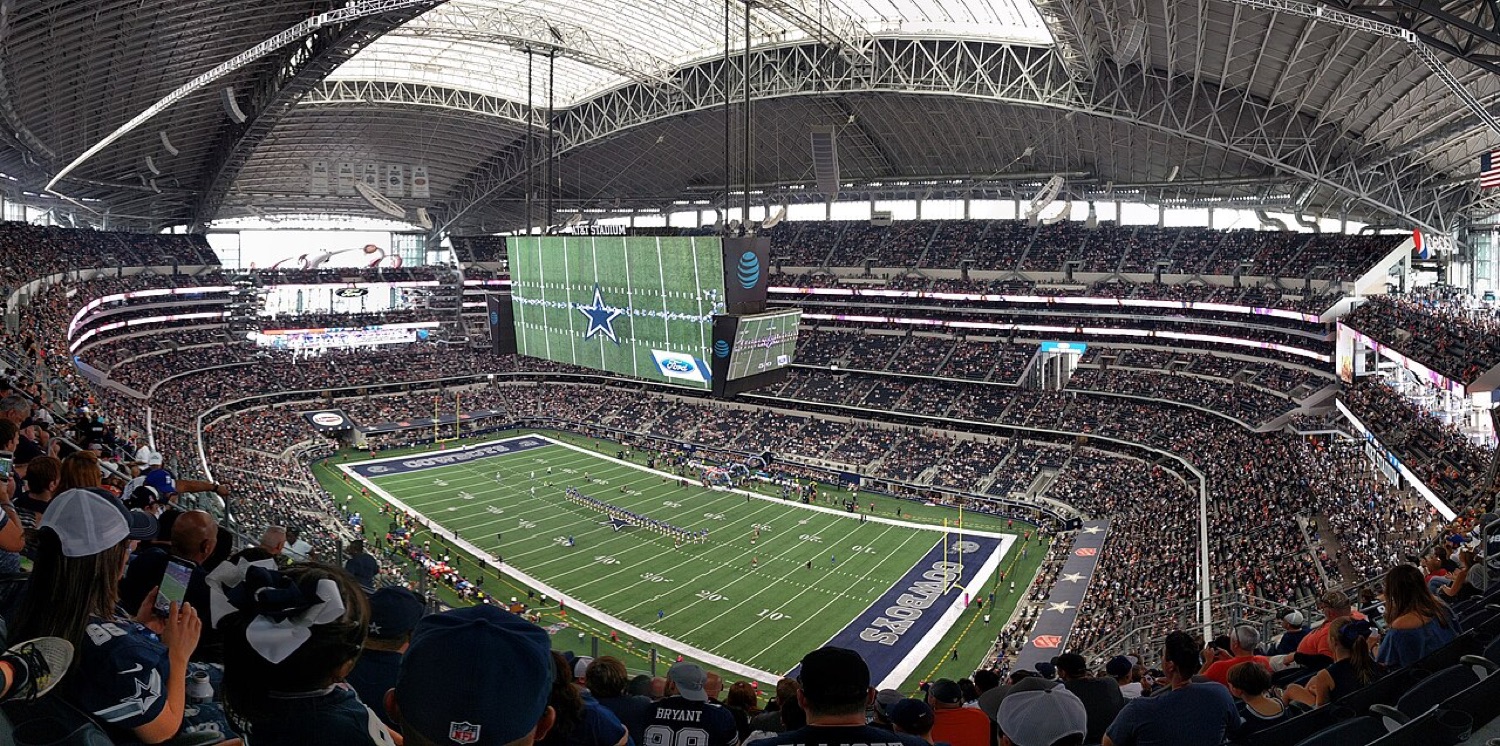
The most memorable field trip of the 2015 conference was a visit to AT&T Stadium in Arlington, home of the Dallas Cowboys. It is a fine place to understand networks at the extreme. Capable of holding around 100,000 people for its biggest events, it packs into one building a load that would normally be spread over a small city, and all of those people want to send video at the same moment.
The problem
A big stadium is close to the worst possible environment for a mobile network. The crowd is dense, the usage peaks together (touchdowns and halftime especially), and uplink traffic runs unusually high because people are posting rather than just watching. A nearby macro tower could never cope. All the capacity has to be built inside the bowl.
Distributed antennas
The usual answer is a distributed antenna system. Carrier radios sit in a head-end room, and their signals travel over fiber to hundreds of small antennas aimed at specific seating sections. Those antennas split the bowl into many sectors so that the same spectrum can be reused over and over. The 2015 College Football Playoff championship at this stadium set a record at the time, with more than six terabytes of wireless traffic carried in one game. Later events have left that figure far behind.
Wi-Fi under the seats
Wi-Fi carries a large part of the load as well. Hundreds of access points hang from the structure or sit beneath seats and railings, because human bodies absorb the signal so well that the antenna has to be close and aimed tightly. Miles of fiber tie it all together. A modest data center on site also drives the giant video board and thousands of smaller screens around the concourses.
Game day on the network
- Traffic builds through the pre-game hours as fans arrive and share photos.
- Peaks follow big plays, with a surge of uploads within seconds.
- Halftime brings the heaviest sustained load of the day.
- Payment terminals, ticket scanners and security cameras all need protected capacity, whatever the crowd is doing.
The new tenant: mobile betting
Stadium networks now serve a use that barely existed in 2015. In states where sports betting is legal, fans place in-play bets from their seats, and several US venues have a sportsbook on site or right next door. Texas is not among those states, but the engineering issue is the same everywhere. A wager is small in bytes and unforgiving about time, since odds can change within seconds. An operator also has to confirm that the phone is inside the right jurisdiction, a topic we cover in How a Sportsbook Knows Where You Are.
Why the industry keeps coming back
Stadiums are where network ideas meet reality in public. Beamforming, millimeter wave and private networks have all had high-profile trials in venues, because the demand is real and the failures are visible. If a technology survives a Sunday in a full bowl, it has a good chance of surviving anywhere.


