August 11, 2026 | Keynotes
What the Class of 2015 Got Right, and What It Missed
Conference agendas are a useful kind of time capsule. They show what an industry believed before it knew how things would turn out. The 2015 Network of the Future agenda, the one this site is named after, covered mobility, software-defined networking, the Internet of Things and dynamic infrastructure. So how did those beliefs hold up? If this were a betting slip, it would have paid out on some lines and lost badly on others.
What it got right
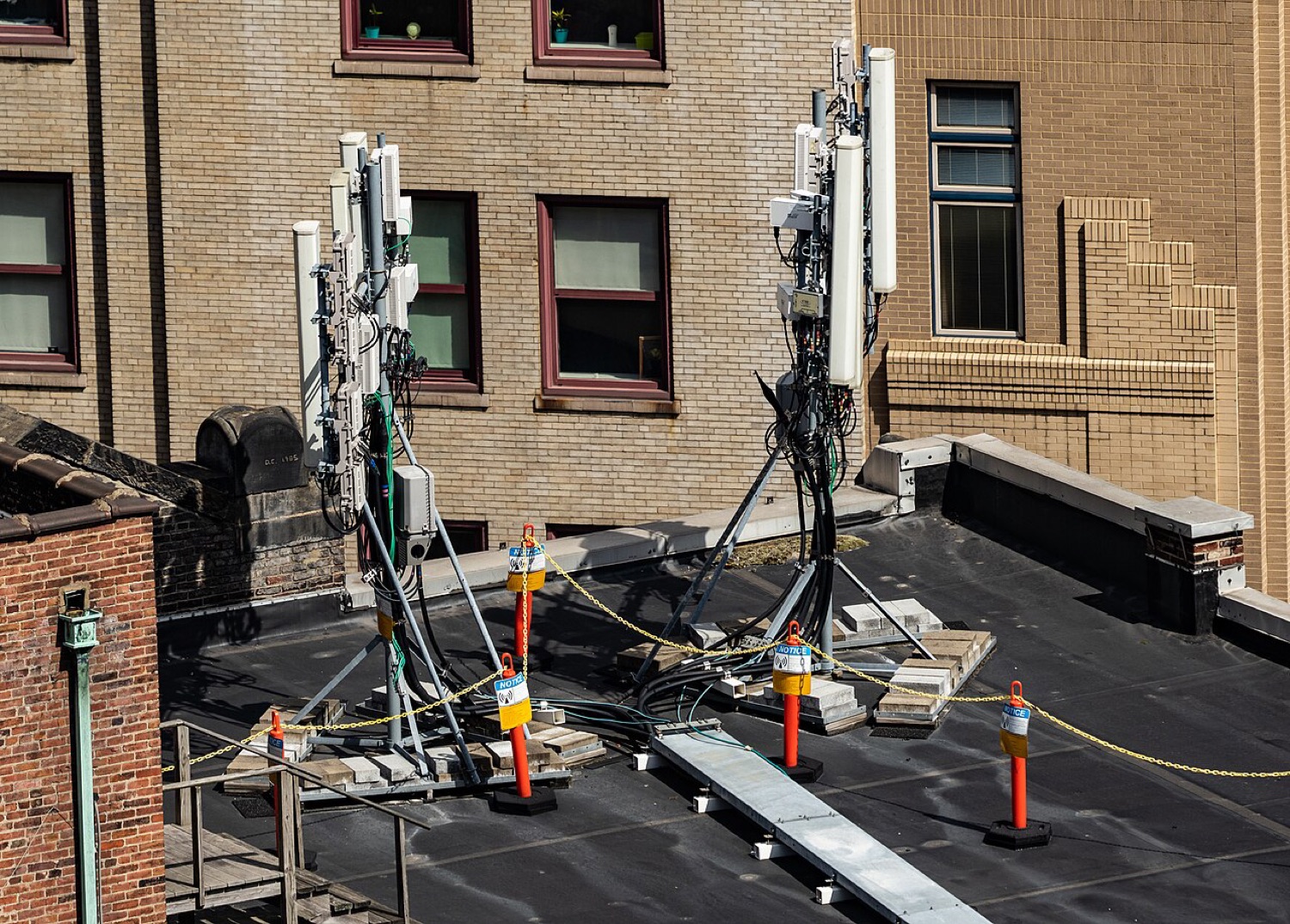
Densification. The idea that capacity would come from many small cells, not a few larger towers, proved correct. Small cells and in-building systems are now routine, even if the rollout took longer and cost more than anyone hoped.
Software eats the core. Mobile cores really did move to cloud-native software. Few operators now order a dedicated hardware appliance for a function that can run on general-purpose servers.
Data is the business. Voice and messaging revenue kept shrinking, as predicted, and operators came to live almost entirely on data plans and enterprise services.
The stadium as a showcase. Venues became proving grounds for network technology, and they have stayed that way. We looked at why in our Stadium Tour feature.
What it got wrong
The device count. The figure of 50 billion connected devices by 2020 appeared in many presentations, and it missed by a very wide margin. Real counts around that date were a fraction of it. The number was a marketing line presented as a forecast, and it would have been a poor over/under for anyone to take seriously.
Who gets paid. Many speakers assumed operators would capture a large share of new IoT and video revenue. Most of that value went to cloud and content companies instead, while carriers carried the traffic.
5G as a consumer event. The expectation was a wave of new applications that only 5G could run. For most people the upgrade simply meant a more reliable connection. The strongest early use case turned out to be fixed wireless broadband, which few agendas featured at all.
What nobody talked about
Three things barely registered. Low-earth-orbit satellite broadband was still a concept, and supply-chain security had not yet become a matter of national policy. Generative AI, which now strains data centers and power grids, was nowhere on the program.
The lesson
Good forecasters think in probabilities and keep score, a discipline that poker players and sports traders learn early and that keynote speakers rarely have to face. The direction of travel in 2015 was usually right. The timing and the question of who would profit were usually wrong. That is worth remembering when the current round of six-year forecasts starts doing the rounds.
More from the Journal


